




Apologetics
Human Trafficking
Human trafficking enslaves an estimated 40-50 million people worldwide, and Miami-Dade ranks among the worst counties nationwide. Pastor Kent Keller shares warning signs and how to protect your kids.
Human trafficking is a sin against God and a crime against humanity. There are an estimated 40-50 million slaves in the world today, more than ever before in recorded history. It is a $150 billion a year enterprise – two-thirds of that from commercial sexual exploitation, the rest from economic enslavement. Almost 1.7 million children are currently being exploited in sex trafficking. The average age victims are taken in and enslaved is 13; pimps or traffickers are known to prey on victims as young as nine.
Florida is the third-worst state in the United States for trafficking (after California and Texas). Miami-Dade is the number one county in Florida and the third-leading county in the entire country.
Christchurch Miami is committed to helping fight this evil both locally and globally. We are a pro-life church. We believe every human being is created in God’s image (Genesis 1:26-28) and as such should be treated with dignity, respect and compassion from the moment of conception to the point of natural death – including those caught up in the horrors of being trafficked.
On the local level, here in Miami we help those who have been rescued from trafficking by providing therapy through Wellspring Counseling. Each year we raise funds to support women on their road to recovery and a healthy, productive,Christ-centered life. If you would like to help us reach that goal and help these women through our Human Trafficking Survivor Support fund at Wellspring, go to: https://christchurchmiami.churchcenter.com/giving/to/human-trafficking-survivor-fund.
Please be sure to note that this comes via Christchurch.
On the global scale, Christchurch also supports International Justice Mission (www.ijm.org), the leading organization fighting human trafficking around the world.
How to help “traffic-proof” our children
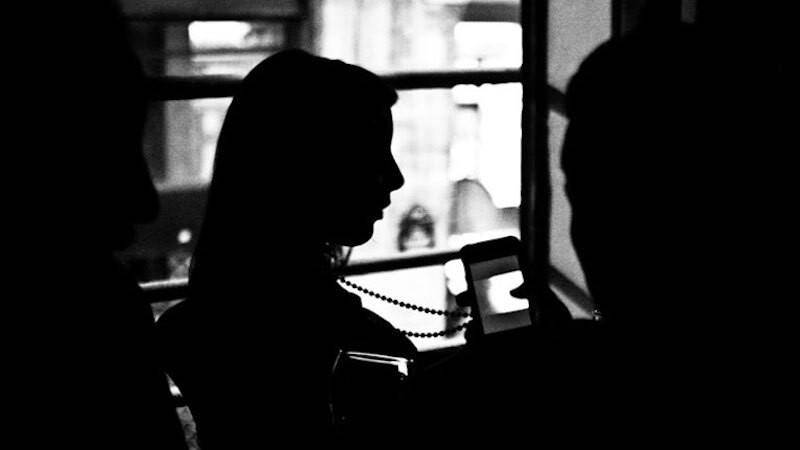
For years I’ve been speaking out on this issue, and in particular trying to help our Kendall Christian School parents and their kids be aware of the dangers our young people face in this regard. It’s not out there. It’s right here, right now, as close as their cell phone.
Online safety is a huge issue. 10 things not to do on social networking sites (actually nine “don’t’s” and one “do”):
• Never post your full name.
• Never post your date of birth.
• Never post your contact information, including your phone number, email or address.
• Never post pictures that you don’t want everyone to see.
• Never assume any online communication is private.
• Never post information about your school or work.
• Never share places or times of where you’re going to be.
• Never post information about new purchases.
• Never add friends you don’t really know.
• DO enable privacy on all accounts.
https://surviveandthriveadvocacy.org/human-trafficking-and-social-media-safety-for-kids/
Parents, be nosy. You pay for those phones and/or computers and internet connections; check what your kids are doing online frequently. And if you did allow them the privilege of having a phone, make sure you take it away at bedtime, if not earlier. Give it back the next morning or whenever you deem appropriate. As shocking as it may seem, you don’t actually have to give your child(ren) a phone at all. It is a privilege, not a birthright. If you do give them one, do it when they show they are old enough, mature enough and responsible enough – which is when you decide they are. And then stay vigilant. Your child’s safety depends on it.
Some important things to watch for: How do I identify a victim of human trafficking? If a child or young person:
• Demonstrates a sudden change in attire, personal hygiene, relationships, or material possessions
• Acts uncharacteristically promiscuous and/or makes references to sexual situations or terminology that are beyond age-specific norms
• Has a “boyfriend” or “girlfriend” who is noticeably older
• Attempts to conceal recent scars (also tattoos and branding)
• Exhibits bruises or other signs of physical trauma, withdrawn behavior, depression, anxiety, or fear
• Is hungry, malnourished, deprived of sleep, or inappropriately dressed (based on weather conditions or surroundings)
• Demonstrates an inability to attend school on a regular basis and/or has unexplained absences
• Frequently runs away from home
• Makes references to frequent travel to other cities
• Lacks control over his or her schedule and/or identification or travel documents
• Shows signs of drug addiction
• Has coached/rehearsed responses to questions
If you see a child or young person exhibiting some or a lot of these behaviors, be alert. You may be able to save that young life from a terrible fate. Call the National Human Trafficking Resource Center: 1 (888) 373-7888.
What we can do to help in the fight
First and foremost, pray. Pray for: trafficking victims; families who are so dysfunctional – or dangerous – young children or adolescents feel compelled to leave home and put
themselves at risk of being lured, trapped, or forced into such slavery; those who put themselves in harm’s way to rescue victims; those who work with victims to help them
recover from the ravages of being enslaved; and the gospel of God’s grace and salvation through Jesus Christ to go forth and change the hearts, minds and lives of everyone involved in this insidious trade.
Get informed. This scourge is not going away without a fight. We need to be shrewd as serpents, innocent as doves (Matthew 10:16).
Resources:
-
National Human Trafficking Resource Center– Phone: 1 (888) 373-7888 https://humantraffickinghotline.org/
-
Survive and Thrive Advocacy Center (STAC):
https://surviveandthriveadvocacy.org/human-trafficking-and-social-media-safety-for-kids/
- Wellspring: Wellspring Counseling (wellspringmiami.org)
And again, if you can help us as we try to do our part in the fight against this blight on our city and beyond, please give to: https://christchurchmiami.churchcenter.com/giving/to/human-trafficking-survivor-fund.
Thank you for taking the time to read this and to care about our city, our state, our country, all those ensnared in this horrific web, and our kids.
God bless you,
Pastor Kent
Frequently asked questions
How big is the human trafficking problem worldwide and in Miami?
How does Christchurch Miami help fight human trafficking?
How can parents protect their kids from human traffickers online?
What are warning signs that someone may be a victim of human trafficking?
How can Christians pray and act about human trafficking?
Pastoral writing from the team at Christchurch Miami — a faith family on mission in Kendall, Miami.