




Sermon Blog
The Good Shepherd Who Pursues the Lost: God's Heart in Luke 15
In Luke 15, the Good Shepherd leaves the 99 to find the one — and carries it home rejoicing. Here is what the lost sheep says about God's heart for you.

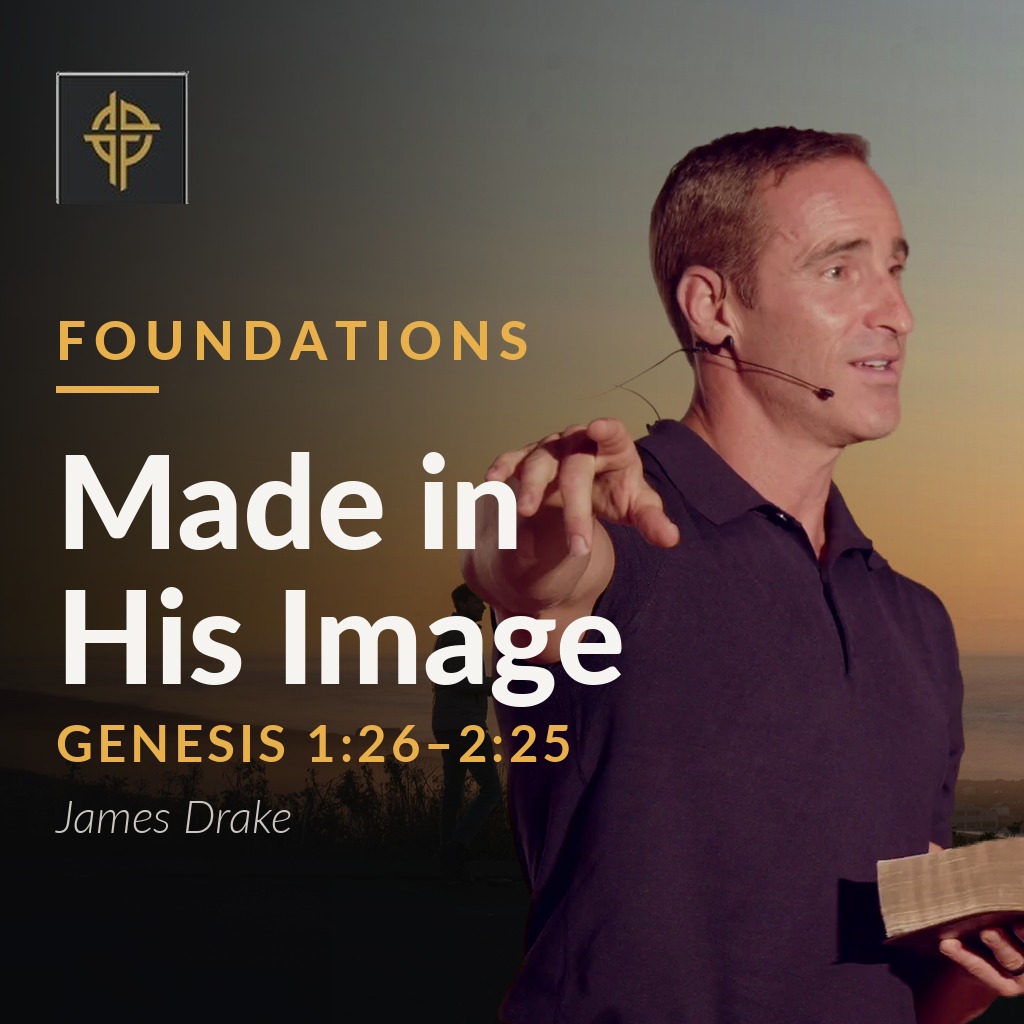
Let me ask you something honest. What are you carrying right now that’s too heavy for you? Not the stuff you’d mention over coffee, but the weight you’re really hauling around — the guilt, the regret, the relationship you know isn’t right, the burden you keep telling yourself you’ll deal with later. Here’s the good news I get to bring you from Luke 15: you have a Good Shepherd who doesn’t wait at the gate for you to drag yourself home. He goes out after you. And when He finds you, He doesn’t scold you — He picks you up, throws you over His shoulders, and carries you the whole way back, rejoicing. I’m Pastor James Drake, and I want to walk you through one of my favorite chapters in the whole Bible, because the heart of God for the lost is the most beautiful thing I know.
This is our second core value as a faith family: people are our priority. Last week we talked about our first — Jesus is our message; we preach Christ as Lord. This week the question gets personal: who is the one God is pursuing? And what if that one is you?
Religion Builds Walls. Christ Builds a Table.
Look at how Luke sets the scene. Two very different crowds are gathering around Jesus. There’s the church crowd — the Pharisees and scribes, the religious folks who are very concerned about the company Christ is keeping. And then there’s the non-church crowd — the tax collectors and sinners, the people who weren’t showing up to the synagogue but were flocking to Jesus like moths to a flame.
And the question that hangs over the whole chapter is: why? Why were the people farthest from God the most drawn to Him? It wasn’t because Jesus went soft on sin. He never compromised the truth. He called sin what it was. And yet He was known as a friend of sinners — accused of throwing too many parties at the wrong people’s houses — because He really, really cared for them.
Meanwhile the religious leaders were busy building walls. They looked at the world and saw “unclean.” They wouldn’t hang out with shepherds; they certainly wouldn’t sit with the heathens of their day. And even inside their own camp there was one wall after another — this self-righteous pretension that some were better than others and nobody quite measured up. That’s what religion always does. It’s all about you trying to earn enough justification before God that hopefully your good outweighs your bad. And so it creates distance — between you and God, between you and others, and even inside your own heart, because deep down you’re frustrated that you can’t change.
But here’s the thing. Jesus was a carpenter. He was literally in the business of building. And what He built wasn’t a wall — it was a table. Religion creates walls. Christ builds a table. He said, “Come to me, all who labor and are heavy laden, and I will give you rest.” He made room for people to belong before they believed. And that’s the challenge He hands every church, including ours: if you love Me, you’re going to love what I love — and I love people who are far from God and need to come home.
So let me ask you a plain question this week. In your relationships, in your home, on your team — are you building walls, or are you building a table?
A Parable That Jabbed the Religious Right Where It Hurt
When the Pharisees grumbled, “This man receives sinners and eats with them,” Jesus didn’t get defensive. He told a story. “What man of you, having a hundred sheep, if he has lost one of them, does not leave the ninety-nine in the open country, and go after the one that is lost, until he finds it?”
I used to read right over that opening line. But to a Pharisee, it landed like a jab. These were men of the law, not men of the land — the best of the best, who would never be caught in the messy business of shepherding, a job they considered beneath them and unclean. So when Jesus says, “What man of you, having a hundred sheep…,” He’s basically saying, picture yourself as a shepherd. That’s the point — He’s rattling their cages, swinging right off the gates, trying to wake them up so they’ll see they can’t save themselves on the strength of their own righteousness. They need someone to stand in their place.
Why God Calls You a Sheep
Here’s something worth sitting with: of all the animals God could have chosen to represent us, He picked sheep. And honestly, that’s a little bit of a jab too. Sheep are not impressive. As I told the church this Sunday, sheep are proof that evolution is not true. They get lost easily. They’re prone to wander. They’re full of anxiety — they won’t even drink from moving water because it scares them. If a sheep falls over and hasn’t been recently sheared, it can get stuck on its back, just lying there, unable to get up on its own.
Think of it this way. If you heard a trailer of sheep tipped over on the highway and a bunch of them were loose on the hillside, you’d say, “Come on, kids, let’s go see the sheep.” But if you heard a trailer of tigers got loose? “Get in the house — don’t go outside!” Sheep are harmless. But they’re helpless. They’re not a threat to anyone; they just desperately need a shepherd.
And that’s exactly how God sees you and me — not with contempt, but with tenderness. The Pharisees should have caught this, because their own Scriptures are full of it. Ezekiel 34, Isaiah 40, and David’s own Psalm 23 all paint God as the Shepherd who gathers His sheep, leads them beside still waters, and carries them close. This isn’t a put-down. It’s the most comforting picture in the Bible, because the Good Shepherd doesn’t shame you for being a sheep. He pursues you.
He Doesn’t Just Find You — He Carries You Home
Now here’s the moment that brought me to tears this week. Watch what the shepherd does in verse 5. He finds the lost sheep, and “he lays it on his shoulders, rejoicing.”
Let me put some weight on that — literally. A full-grown sheep weighs about seventy pounds. The shepherd has been searching for hours, hungry and tired and frustrated, because in Israel a fallen sheep looks just like a rock until you’re right on top of it. He finally spots it, and the poor thing is too worn out to even walk back. So what does he do? He hoists seventy pounds onto his shoulders and carries it the whole way home — rejoicing.
Be honest with me. If that were you, would you rejoice? I’d rejoice that I found the sheep. I’m not sure I’d rejoice about carrying it. But that’s exactly what makes this story explode with grace. This might feel heavy to you and me. It’s not heavy to God. When He finds you — however far you’ve wandered — He doesn’t sigh and trudge. He rejoices that a lost son or daughter has been found, and that spirit of rejoicing carries Him, and you, all the way home.
We’ve taught this in this church for decades. It’s called the doctrines of grace, and here’s the whole thing in one breath: God is not lost. We are. And He finds us where we are, He saves us, He sustains us, and He brings us home. The sheep never lost its value — it was diminished and in danger while it was separated, but it was still precious. And when the shepherd lifts it up, its value is fully restored.
So if you’ve been telling yourself you’re too much of a burden, that you’ve strayed too far, that you’re too embarrassed by what you’ve done — that’s foolishness, and I say that as gently and firmly as I can. You have a strong God who is more than able to pick you up exactly where you are and carry you home.
Stop Carrying Burdens You Were Never Built to Bear
Here’s the second thing this parable does. Some of us aren’t the wandering sheep so much as the exhausted ones — still stumbling forward, but stacked with guilt and shame and regret we keep trying to haul on our own backs.
You were not built to carry that. Jesus said, “Come to me, all who labor and are heavy laden, and I will give you rest” (Matthew 11:28). Isaiah 53 tells us He bore our griefs and carried our sorrows. And 1 Peter 5:7 says it plainly: “casting all your anxieties on him, because he cares for you.” We were never meant to carry these things alone, and if we keep trying, they will bury us — we’ll end up like that sheep, fallen over and unable to get back up.
So here’s my recommendation, the same one I gave on Sunday: take those burdens and put them at the foot of the cross, because that’s where they belong. You’re not the shepherd. You’re the sheep. He’s got you. He doesn’t just save you — He sustains you. He finds you, He picks you up, and He carries you, not because you earned it, but because He loves you.
Heaven Throws a Party Over You
Don’t miss how the parable ends. Three times the word rejoice echoes through it. And Jesus lands the plane with a line that turned His whole audience inside out: “there will be more joy in heaven over one sinner who repents than over ninety-nine righteous persons who need no repentance.”
The Pharisees had a saying that God rejoices when one sinner is condemned. Jesus says the exact opposite — God rejoices when one sinner comes home. That’s what the gospel always does; it flips our picture of God upside down. And before we get too proud about the ninety-nine, remember this is a parable: the truth is none of us is righteous, not one. We’re all lost sheep who can only be found in Christ. Our righteousness was never going to come from our good works — it comes from His finished work.
So the Pharisees were grumbling while God was rejoicing. The question is which one you’ll be. Because heaven is not reluctant about you. Heaven is throwing a party over the lost being found.
Who Is Your One?
This parable leaves us with three honest places to land, and you’ll know which one is yours.
If you’ve wandered from God, it’s time to come home. And here’s the secret: if you’re even thinking about God right now, it’s because He’s already pursuing you — opening your eyes to see, your heart to receive, your mind to understand. You don’t climb back to Him. You let Him carry you.
If you’re crushed under a burden, give it to Him. Maybe it’s a relationship you know isn’t right. Maybe it’s how you’re making your money. Maybe it’s guilt you’ve been dragging for years. Cast that care on the Lord, because He cares for you.
And if you’re already home — then who is your one? If we love Christ, we love what He loves, and He loves the lost. He came on a search-and-rescue mission to seek and to save (Luke 19:10; John 10), and at some point our lives become so much bigger than just us. He saved you not only to rescue you, but to send you. So who’s the one person you can pray for, reach toward, and make a seat at the table for this week?
Common Questions About the Good Shepherd and Luke 15
What is the parable of the lost sheep about in Luke 15? In Luke 15:1-7, Jesus tells of a shepherd with a hundred sheep who loses one, leaves the ninety-nine in the open country, and searches until he finds it. When he finds it, he lays it on his shoulders, rejoicing, and carries it home. Jesus tells the parable to religious leaders who were grumbling that He welcomed sinners — and the point is the heart of God, who pursues the one who is far from Him and rejoices when the lost are found.
Why does the shepherd leave the 99 to find one sheep? To the Pharisees it looked like questionable math — why celebrate more over one found sheep than ninety-nine who never wandered? But Jesus is showing the heart of God. The lost sheep never lost its value; it was simply in danger while it was separated. God is not lost — we are. He finds us where we are, He saves us, He sustains us, and He brings us home.
Why does the Bible compare us to sheep? Of all the animals God could have chosen, He picked sheep — helpless creatures that get lost easily, are prone to wander, are full of anxiety, and won’t even drink from moving water because it scares them. If a sheep falls over, it can get stuck on its back and be unable to get up on its own. Sheep are harmless but helpless; they need a shepherd. That’s the honest picture of us — and the Good Shepherd doesn’t shame us for it. He pursues us.
Does religion build walls or tables? Religion creates walls. Christ builds a table. The religious leaders built barrier after barrier — looking down on shepherds, avoiding people they considered unclean, judging everyone. That’s what religion does: it tries to earn justification by good works and creates distance between you and God, you and others, and even within your own heart. Jesus, a carpenter by trade, built a table instead — He dined with people far from God and made room for them to belong before they believed.
What burdens does Jesus want me to give Him? Whatever you were never built to carry — guilt, shame, regret, or circumstances that are crushing you. A full-grown sheep weighs about seventy pounds, and we keep trying to haul our own weight home on our own backs. Jesus said, “Come to me, all who labor and are heavy laden, and I will give you rest” (Matthew 11:28), and Scripture says to cast your cares on Him because He cares for you (1 Peter 5:7). Drop them at the foot of the cross where they belong.
What does Luke 15 teach about how God feels when a sinner repents? Jesus ends the parable with a stunning line: “there will be more joy in heaven over one sinner who repents than over ninety-nine righteous persons who need no repentance” (Luke 15:7). The Pharisees were grumbling while God was rejoicing. That’s what the gospel always does — it turns things inside out and upside down. Heaven is not reluctant about your coming home; heaven throws a party over it.
Questions for Reflection
- What burden are you carrying right now that you were never built to bear — and what would it look like to leave it at the foot of the cross this week?
- In your relationships and community, are you building walls or building a table?
- Where have you wandered, and what is one step toward home you can take today?
- Who is the “one” in your life that God may be calling you to pray for and pursue?
You don’t have to find your own way home, and you don’t have to carry it all alone. Join us this Sunday at 11 AM at 8485 SW 112th St, Miami, and take your next step with a faith family that’s learning to trust the Good Shepherd together. There’s a seat at the table for you, no matter where you are in your journey. You can also explore more sermons and reflections on our blog.
Credits
Adapted from Pastor James Drake’s October 27, 2025 sermon, “Are You the Lost Sheep?”
By Pastor James Drake, Lead Pastor, Christchurch Miami.
Christchurch Miami is a Presbyterian Church in America (PCA) congregation in Miami, Florida, led by Pastor James Drake. Services are held Sundays at 11 AM at 8485 SW 112th St, Miami, FL 33156.
Scripture quotations are from the ESV® Bible (The Holy Bible, English Standard Version®), copyright © 2001 by Crossway, a publishing ministry of Good News Publishers. Used by permission. All rights reserved.
Photo by Christopher Ott on Unsplash.
Frequently asked questions
What is the parable of the lost sheep about in Luke 15?
Why does the shepherd leave the 99 to find one sheep?
Why does the Bible compare us to sheep?
Does religion build walls or tables?
What burdens does Jesus want me to give Him?
What does Luke 15 teach about how God feels when a sinner repents?
How does the parable of the lost sheep point to Jesus?
Pastoral writing from the team at Christchurch Miami — a faith family on mission in Kendall, Miami.