
Sermon Blog
The Tower of Babel and the Two Cities
A city sacked, a tower abandoned, a name no one remembers. Kent Keller on Genesis 11, Augustine's two cities, and the one city that cannot fall.
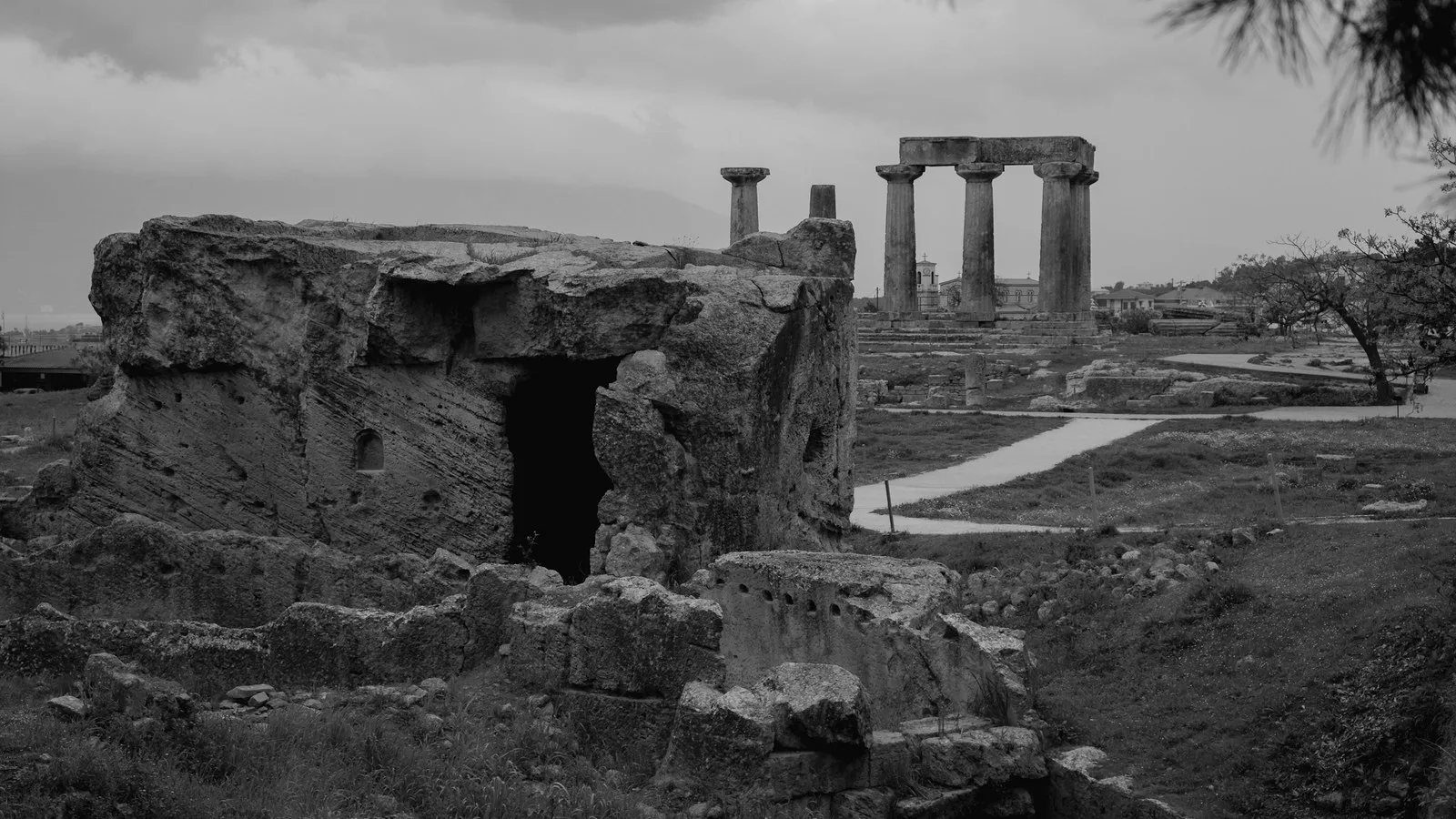
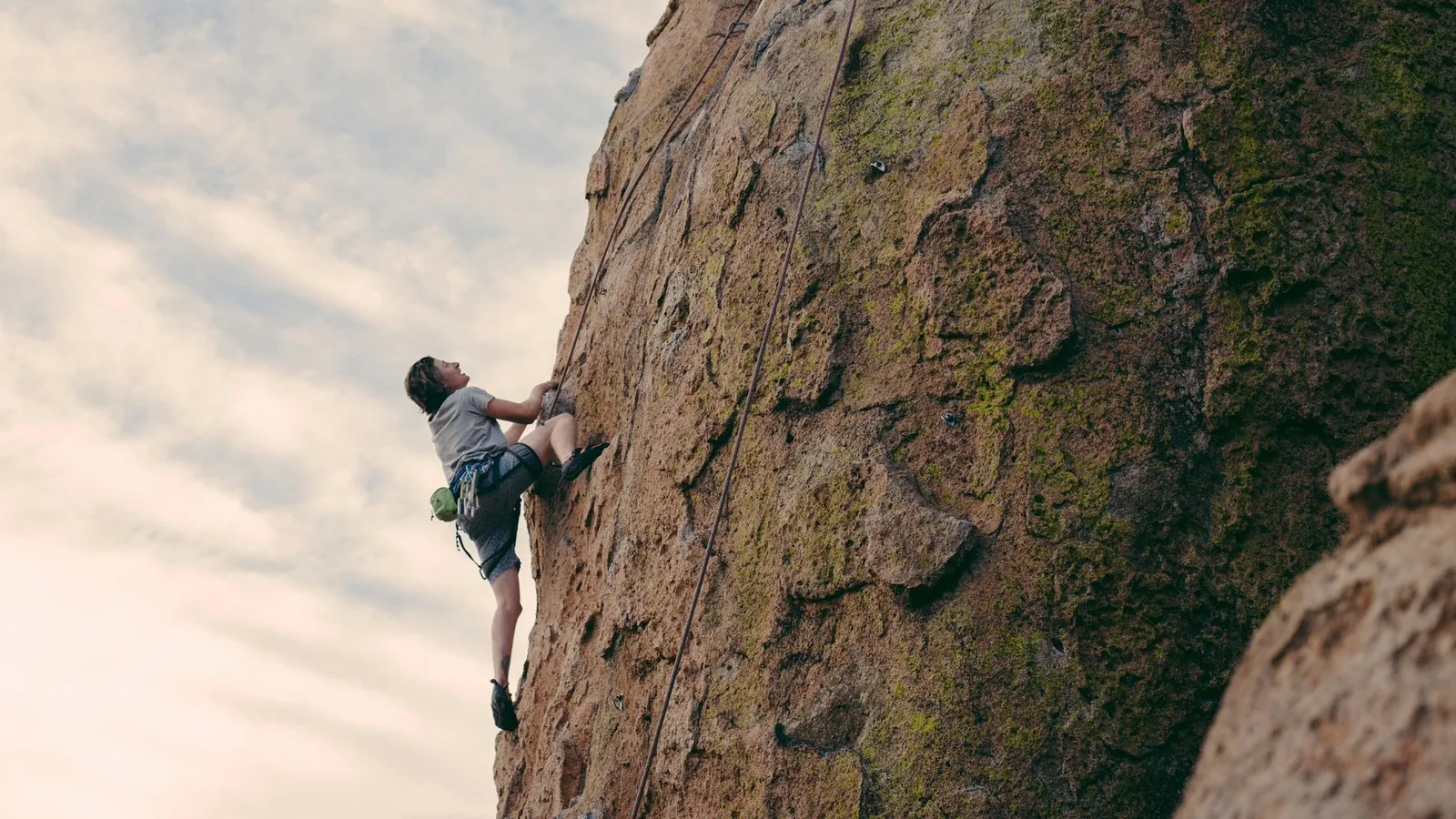
Photo: BEN ELLIOTT / Unsplash (-lrcTzeNUIQ)
In the year 410, Rome fell. The eternal city, the one everybody assumed would stand till the end of the world, was sacked by the Goths, and a kind of panic ran through the ancient mind. If Rome could fall, what on earth was safe? A North African bishop named Augustine sat down and spent the next thirteen years answering that question in a book we still read sixteen centuries later. He called it The City of God. His thesis was simple, and it has never stopped being true. There are only ever two cities. One is built on the love of self, carried all the way to contempt for God. The other is built on the love of God, carried all the way to the forgetting of self. Every last one of us holds citizenship in one of them. Nobody holds both.
I begin with Augustine because this morning, as our Foundations series arrives at Genesis 11, we are watching the very first city of man rise out of a plain in the land of Shinar. Augustine would tell you Babel is the prototype — primitive by our standards, no steel, no glass, just mud bricks and tar for mortar — but a prototype all the same of every skyline the human race has ever thrown up to the glory of the people who poured its concrete.
Listen to the builders talk. “Come, let us build ourselves a city and a tower with its top in the heavens, and let us make a name for ourselves, lest we be dispersed over the face of the whole earth” (Genesis 11:4). Notice who is missing from that sentence. God is never mentioned. Not once. The whole project points one direction, and the direction is inward and upward, toward the glory of the men stacking the bricks.
I want to show you three stones the city of man is always built on, because they are the same three stones under every version of it, ancient or modern.
The first stone: human pride
“A tower with its top in the heavens.” They are not building for shelter. They are building for height, for reach, for the sheer statement of it. This is pride in its oldest form — the creature deciding he will climb up and plant his flag in the sky.
Your favorite author outside the Bible, whether you know it yet or not, is C. S. Lewis, and Lewis put his finger on it as well as anyone ever has. Pride, he said, has been the chief cause of misery in every nation and every family since the world began; it is the one vice of which no man in the world is free, and the more we have of it ourselves the more we dislike it in others. Babel is pride given an address. It is the sin of Eden — you will be like God — now poured into a foundation and troweled up brick by brick.
The second stone: the worship of self
“Let us make a name for ourselves.” Hold onto that word name. In Hebrew it is shem, and it is the hinge of the whole story. A few chapters back, God had already given that very name, Shem, to one of Noah’s sons and promised to carry His purposes through that line. The builders at Babel want a shem of their own manufacture — glory on their own terms, a monument carved by human hands to outlast the hands that carved it.
And here is the irony, folks, and you must not miss it, because the writer of Genesis certainly did not. Turn one page. In the very next chapter God walks up to a nobody named Abram and says, in effect, you stop trying to make a name for yourself; I will make your name great (Genesis 12:2). The men of Babel grasp at a name and end up anonymous — we do not know a single one of them. Abram lets God hand him one, and four thousand years later we are still saying it. That is the difference between the two cities in one sentence. One seizes glory and loses it. The other receives glory and keeps it.
The third stone: man as the measure of all things
Then God says a sobering thing. “Behold, they are one people, and they have all one language, and this is only the beginning of what they will do. And nothing that they propose to do will now be impossible for them” (Genesis 11:6). A united humanity with no ceiling over its ambition and no God above its will. We tend to read that as a compliment. It is not. It is a diagnosis. When man becomes the measure of all things, when the only question left is can we and never should we, the city of man does not become a paradise. It becomes a horror. The twentieth century ran that experiment at scale, and it gave us the bloodiest hundred years in the history of the world.
So God comes down. And that is itself the great joke buried in the text. The tower was meant to pierce the heavens, and it was so small against the Almighty that Scripture pictures Him stooping, coming down, just to see it. He confuses their language — the Hebrew is balal, which is why the place is named Babel — and He scatters them over the face of the earth (Genesis 11:9). Mercy wearing the mask of judgment. He will not let fallen pride build without limit, because He loves the world too much to let it finish.
The city that comes down
Now here is where the whole Bible turns, and I want you to feel the turn. The city of man always comes down. Every single one. Babel, Rome, and every empire that ever told itself it was eternal — the dust gets them all. But Scripture does not end with a city coming down in ruin. It ends with a city coming down in glory.
The last pages of your Bible show the apostle John watching the holy city, the new Jerusalem, come down out of heaven from God (Revelation 21:2). Do you hear it? Babel tried to climb up and could not. This city descends. We do not build it; we receive it. And a loud voice says the thing every exile has ached to hear since Eden: “the dwelling place of God is with man” (Revelation 21:3). No tar, no bricks, no scaffolding of human pride. A city whose builder and maker is God, and for that reason a city that cannot fall.
How does a man born in the city of man ever get his citizenship transferred to the city of God? Not by climbing. We tried that at Babel and the rubble is still there. The answer is that the God we could not reach by building came down the whole way Himself. He came down to Bethlehem, down to a carpenter’s bench, down finally to a Roman cross outside a city wall, and there He took the judgment our proud little towers deserved. He made no name for Himself; Scripture says He made Himself nothing. And God gave Him the name above every name. The exchange at the heart of the gospel is exactly the exchange we have been watching all morning: we reach for a name and lose everything; He lays down His name and is given everything, and then He shares it with us.
So Augustine’s question is finally the only question that matters, and I will leave it with you the way he left it with a frightened world in the ruins of Rome. Where is your citizenship? Are you still laying bricks on the city of man, stacking up a name that the dust is already coming for? Or have you let the God who came down carry you into the city that is coming down to us, the one that will still be standing when every tower we ever built is forgotten?
Father, we confess how much of our lives we have spent making a name for ourselves, brick by anxious brick. Forgive us. Thank You that You did not leave us to climb, but came down all the way to the cross to bring us home. Fix our eyes on the city whose builder and maker is You, and make us its citizens even now. In Jesus’ name, amen.
Come and worship with us this Sunday at Christchurch. Next week in Foundations we leave Genesis 1–11 behind and meet the man God called out of the city of man to bless the whole world.
Frequently asked questions
What is the main point of the Tower of Babel in Genesis 11?
Why did God confuse the languages at Babel?
What does it mean that God came "down" to see the tower?
How does the Tower of Babel point to the gospel?
Pastoral writing from the team at Christchurch Miami — a faith family on mission in Kendall, Miami.