


Skip to content
Christchurch Miami

Foundations (Week 6)

Faith in a Corrupt World

Genesis 6

James Drake Sunday, October 18, 2026

Monday

2026-10-19

It Grieved His Heart

"Genesis 6:5-6 (ESV) The LORD saw that the wickedness of man was great in the earth, and that every intention of the thoughts of his heart was only evil continually. And the LORD regretted that he had made man on the earth, and it grieved him to his heart."

— Genesis 6:5-6

The verse does not say God was angry. It says He was grieved. “The LORD saw that the wickedness of man was great… and it grieved Him to His heart.” Before a single drop of rain falls, Scripture shows us a God whose heart breaks over a world gone wrong. The wreckage we read in the news grieves Him long before it ever grieves us.

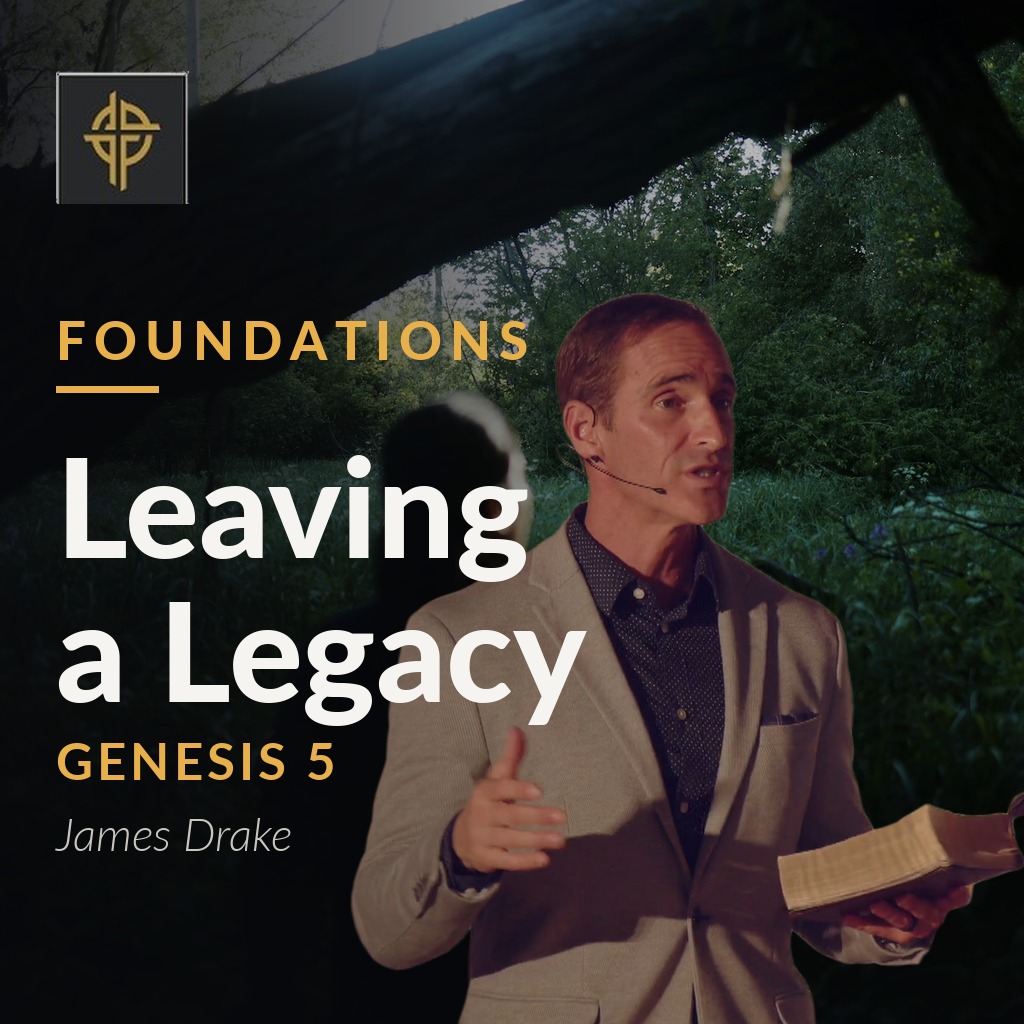
On Sunday, James Drake opened Genesis 6 by admitting it is a hard chapter, because it is about judgment and none of us enjoy being judged. He made us laugh at how quick we are to judge a soggy sandwich, a slow cashier, the driver in the next lane. Then he turned it: the same corruption we spot everywhere out there runs through our own hearts too.

It would be easy to hear “God regretted” and picture a God caught off guard, scrambling to fix a mistake. Genesis means no such thing. The Hebrew lets us feel His pain, not question His power; nowhere is God less than sovereign. His grief is not surprise. It is the ache of a Father who made a good world and watched His children wreck it.

That changes how you carry your own brokenness today. The God you answer to is not a cold judge tallying failures. He is grieved by sin because He loves what sin destroys — including you. Whatever is broken in your life this morning, bring it to a Father whose heart breaks over it too. Judgment and love are not opposites in Him. They meet.

Pray

Father, I am quick to judge the world and slow to see the corruption in me. Thank you that my sin grieves you because you love me, not because you are done with me. Meet me in what is broken today. Amen.

Reflect

What piece of your own brokenness have you been hiding from God, as though He would only judge it and not grieve over it with you?

Tuesday

2026-10-20

But Noah Found Favor

"Genesis 6:8 (ESV) But Noah found favor in the eyes of the LORD."

— Genesis 6:8

One word changes everything in verse 8: “But.” The whole earth has been declared corrupt — violence, evil, a God grieved to His heart — and the sentence of judgment has been handed down. Then: “But Noah found favor in the eyes of the LORD.” One small conjunction holds back the dark. In the middle of a ruined world, grace finds a man and will not let go.

James Drake called Noah a shining star in the midst of darkness — but he was careful about why Noah stood out. Noah did not earn this favor; he received it. He was not a man too good to be judged, James said, but a man given grace in the middle of a world that deserved exactly what was coming. Favor found him. He did not achieve it.

Be careful not to read this backward, as though Noah’s goodness bought God’s favor and ours could too. The order runs the other way. Favor came first; the walking with God we read about next grew out of grace already given. “Favor” is simply the Old Testament’s word for grace — unearned, undeserved kindness. Noah was not the reason for grace. He was its recipient.

So stop auditioning for a favor you already have. If you are in Christ, God is not weighing whether you have been good enough to deserve His kindness. He set His favor on you the same way He set it on Noah — freely, before you cleaned yourself up. Receive it this morning. Grace is not the prize at the finish line. It is the ground you stand on.

Pray

Lord, I keep trying to deserve what you only ever give for free. Thank you that your favor found Noah in a ruined world, and that it has found me. Let me stop auditioning and simply receive your grace today. Amen.

Reflect

Where are you still trying to earn a favor from God that, in Christ, He has already freely given you?

Wednesday

2026-10-21

Righteous and Still Limping

"Genesis 6:9 (ESV) These are the generations of Noah. Noah was a righteous man, blameless in his generation. Noah walked with God."

— Genesis 6:9

“Noah was a righteous man, blameless in his generation. Noah walked with God.” Three strong words — righteous, blameless, walking — stacked on one man in a corrupt age. It sounds like a verdict reserved for spiritual giants, the rare few who have it all together. Read slowly, though, and notice: this is said of Noah before the ark, before the flood, before a single act of obedience.

James Drake would not let us leave Noah on a pedestal. Flip a few chapters, he reminded us, and this same blameless man ends up drunk and passed out in his tent, a broken survivor of unimaginable trauma. So how is Noah called righteous? Not because he got everything right. James pointed us to Hebrews 11: Noah believed God, and it was his faith, not his record, that counted.

This is where Genesis guards us from a lie we love: that God accepts the people who finally clean themselves up. “Blameless” here does not mean sinless. Noah’s righteousness was credited to him, Paul says in Romans — a standing given, not a grade earned. The same mistake sank Adam and Cain: they trusted themselves instead of God. Noah’s one difference was that he believed God.

Which means walking with God was never reserved for people who have it together — good news, because you do not, and neither do I. You can walk with Him in the middle of your limp. The question is not whether your record is clean enough. It is whether, today, your trust is in Him instead of in yourself. Believe Him. Then take the next step.

Pray

God, I keep thinking I have to get it all together before I can walk with you. Thank you that Noah was called righteous by faith, not performance. I trust you today, not myself. Walk with me as I am, limp and all. Amen.

Reflect

Are you waiting until your record is clean to walk closely with God — when He is offering to walk with you right in the middle of your limp?

Thursday

2026-10-22

Faithful, Not Successful

"Genesis 6:22 (ESV) Noah did this; he did all that God commanded him."

— Genesis 6:22

The chapter ends with a quiet, staggering line: “Noah did this; he did all that God commanded him.” God had asked for an ark the length of a football field, four stories tall, built over decades while the sky stayed clear and the neighbors watched. No negotiation, no edits. Noah simply did it — all of it — because God had said so. Obedience, start to finish.

James Drake drew the line we most need to hear: we are not called to be successful; we are called to be faithful. Only eight people boarded that ark after decades of work — by every worldly metric, a failure. Yet Noah pleased God. Faithfulness, James said, looks like staying true to your spouse, teaching your kids the Word, refusing shortcuts at work when the whole culture cuts corners.

It is worth naming what this does not promise. Faithfulness is not a formula for results — obey God and the numbers will come. Noah obeyed for a century and saw eight people saved. Scripture calls that a win. We are wired to measure our lives by visible fruit, applause, growth we can count. God measures by whether we did what He asked, in the place He put us.

So where has God already told you what faithfulness looks like — and are you doing it, or waiting for it to feel successful first? The ark in your life is probably unglamorous: the marriage you keep showing up for, the kids you keep pointing to Jesus, the job you do with integrity when no one notices. Do all that God commanded. Leave the results to Him.

Pray

Father, I measure my life by results, and I grow weary when the fruit is small. Teach me Noah’s kind of obedience — faithful in the place you have put me, whether or not it ever looks successful. I will do what you have asked. Amen.

Reflect

What has God clearly asked of you that you keep postponing because it does not yet look like it is “working”?

Friday

2026-10-23

One Door

"Genesis 6:18 (ESV) But I will establish my covenant with you, and you shall come into the ark, you, your sons, your wife, and your sons’ wives with you."

— Genesis 6:18

Right in the middle of a judgment chapter, God makes a promise: “But I will establish my covenant with you, and you shall come into the ark.” Before the first raindrop, there is a door. God does not announce the flood and walk away; He gives Noah the exact dimensions of rescue. The same chapter that pronounces judgment also builds, plank by plank, the way through it.

James Drake closed Sunday there: before there was a flood, there was an ark. Before judgment, he said, there is always mercy; before condemnation, always a means of salvation — and it is always God who begins it. Then he made it plain: the ark had only one door, and Jesus is our ark. He is the one way through the storm, and He is already built and waiting.

He ended with a story — a Dodgers player everyone had written off, sent to bat with the game on the line, because one person, his manager, still believed in him. “But God, but Noah,” James said. That is grace: God believing in you when you cannot believe in yourself, and no one else does. Your job is not to be impressive. It is to keep stepping up and swinging.

Here is where the week lands. The world is still corrupt, and some of that corruption is in you — but there is a door, and it has a name. Stop trying to earn a place on the ark and simply walk through the One already open. You are not asked to be successful, only to trust Him and keep swinging. That is what it means to walk with God.

Pray

Jesus, you are the ark, the one door, already open before the storm ever reached me. I stop trying to earn my place and I walk through you. When I cannot believe in myself, let me trust that you believe in me. I will keep swinging, in your name. Amen.

Reflect

What would change this week if you truly believed God is for you — already built, door open — even when you cannot believe in yourself?

Subscribe to the podcast

Every Sunday sermon, in whatever app you already use.

YouTube Apple Podcasts Spotify RSS

See all our podcasts →

Scripture quotations are from the ESV® Bible (The Holy Bible, English Standard Version®), © 2001 by Crossway, a publishing ministry of Good News Publishers. Used by permission. All rights reserved.