



Sermon Blog
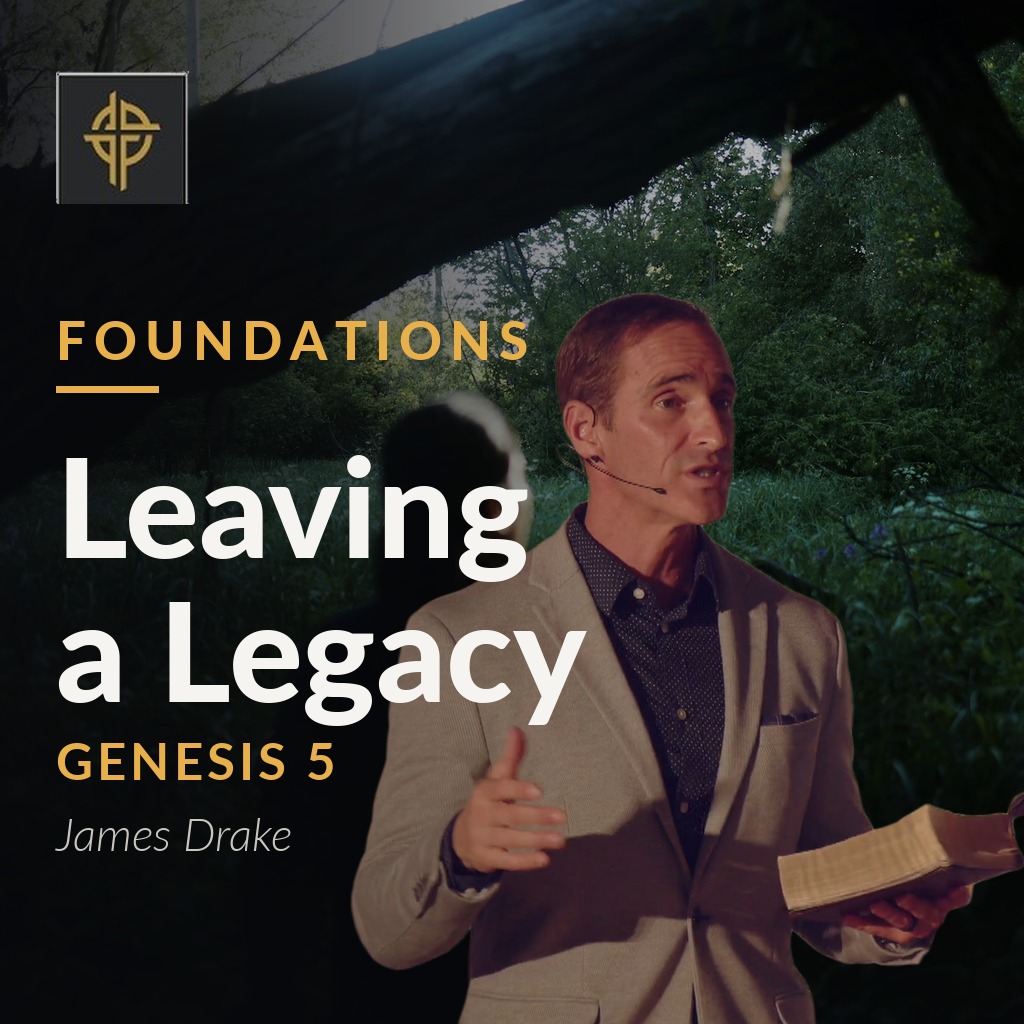
Leaving a Legacy: Genesis 5 and the Life That Actually Counts
Genesis 5 is the chapter everyone skips, until you meet Enoch. A life isn't measured by the miles you walk, but by who you walk with.

Photo: Derek Thomson / Unsplash (M1jCmRxO7cY)
What do you want people to say about you when you’re gone?
Not the polished version. The real one. The one your kids would say, or the people who watched how you actually lived. I’ve done enough funerals to tell you that nobody stands up and lists accomplishments. They talk about who the person was, and who they walked through life with.
A few weeks into our Foundations series, we came to Genesis chapter 5. And I’ll be honest with you, Christchurch family, it’s the chapter most of us skip. It’s a genealogy. A long list of names you can’t pronounce, with numbers nobody believes. But I want to show you that the chapter everyone skips is quietly asking the most important question any of us will ever answer.
A little girl in my office
It had been one of those weeks. Too much to do, not enough of me to go around. In the middle of it, a little girl wandered into my office and started asking me questions. And one of them stopped me cold. She asked if I ever actually hear God.
I gave her some pastor answer. But her question stayed with me all week, because it exposed something I felt in my own crowded schedule. So much of my life feels like I’m doing things for God rather than just being with God.
Maybe you know that feeling. Serving, giving, showing up, checking the boxes. Busy for God, and somehow not actually close to Him. I carried that question right into Genesis 5.
Lived, and he died
Read the chapter and you’ll hear a drumbeat. He lived, he had sons and daughters, and he died. Over and over. Adam lived 930 years, and he died. Seth lived 912 years, and he died. Lived and died. Lived and died. Eight times that bell rings.
And then the rhythm breaks. One man never gets the word died at all. “Enoch walked with God, and he was not, for God took him” (Genesis 5:24). The whole chapter leans on that one sentence.
I brought an old, worn-out pair of shoes to church to make the point. A long life racks up a lot of miles. Accomplishments. Experiences. Accolades. But Enoch isn’t remembered for the distance he covered. He’s remembered for direction and for company.
You see, it’s not so much about the duration of the miles, but the direction that we’re going and who we’re going there with. Let me say that again so we don’t miss it. It’s not the miles. It’s the direction, and the company.
Two lines, two ways to live
Back up a chapter. After Cain kills Abel, two family lines start running side by side through Genesis.
Cain’s line builds cities and makes a name for itself. Seven generations down, it produces a man named Lamech, who stands up and boasts about the men he’s killed. That line grabs.
Seth’s line does something smaller and louder. Right at the start, in Genesis 4:26, a single sentence turns the whole story: “people began to call upon the name of the LORD.” No temple. No fanfare. Just ordinary people, in a broken world, beginning to pray. That line kneels.
And seven generations down Seth’s line, you don’t get a Lamech boasting about blood. You get Enoch, who walked with God. The legacy you leave is the line you hand on. One line grabbed. The other walked with God.
Now, here’s what I love. Both lines live in the same fallen world. Both bury their dead. Genesis won’t let you turn this into a tidy reward chart where the godly family gets the easy life. The difference isn’t that Seth’s children had it easier. It’s the direction they faced.
Three hundred ordinary years
Look closer at Enoch. “Enoch walked with God after he fathered Methuselah 300 years and had other sons and daughters” (Genesis 5:21-22).
Three hundred years. Not one mountaintop moment. Three centuries of ordinary days. Raising kids. Doing the next thing. And doing all of it alongside God.
That’s the answer to the little girl’s question, and to mine. Walking with God was not one event in Enoch’s life. It was the shape of the whole thing. He didn’t trade a full life for an empty one to make room for God. He had other sons and daughters. He lived a whole life inside those years. The point isn’t subtraction. It’s company. You can be busy with God, or busy away from Him.
He really believed God
So how did he do it? Genesis tells us that Enoch walked with God. Hebrews tells us how.
“By faith Enoch was taken up… before he was taken he was commended as having pleased God. And without faith it is impossible to please him, for whoever would draw near to God must believe that he exists and that he rewards those who seek him” (Hebrews 11:5-6).
Now hear me, because this word faith gets misused. Faith is not merely agreeing that God exists. The demons do that, and they’re not saved. There’s a difference between believing this stool can hold me and actually placing my weight on it. That’s the kind of faith Enoch had. He didn’t just think true things about God. He sat down on Him.
And watch what Enoch trusted God to be: a rewarder of those who seek Him. That is not a promise of health, wealth, and an easier life. Pray harder, check the mailbox, cash the blessing. That’s not the gospel, and it never was. The reward Scripture holds out is God Himself. The Friend who said He would never leave you. When you seek Him, what you get is Him.
Now, here’s the twist
There’s one more glimpse of Enoch, over in the New Testament. Jude says Enoch “prophesied” (Jude 1:14-15). The man who walked so quietly with God also spoke openly for Him. He believed God, he trusted God, and then he couldn’t keep quiet about God.
But don’t turn that into a to-do list to earn God’s love. We don’t believe and trust and speak in order to be loved. We do it because we already are. The order makes all the difference.
I’ll confess my own miles in the wrong direction. Driving the family home from North Carolina not long ago, I confidently steered us an hour and a half the wrong way before anyone caught it. Dad was sure. Dad was wrong. Some of us have logged real miles in the wrong direction with our lives, not just our minivans.
And here’s the gospel hidden in a genealogy of the dead. Eight times Genesis 5 says a man died. But Enoch walked with God and was no more… and then Jesus came down here as God, and walked with us, and died our death, and rose. He said it Himself: “I am the resurrection and the life” (John 11:25). Because He lives, you will live. Because He walked, you can walk. He’s not asking you for more. He’s asking for your next step.
So what do we do with this?
Stop measuring your life by the miles. The accolades, the accomplishments, the busy. And start asking the two questions Genesis 5 is really asking. Which direction am I walking? And who am I walking with?
If you’ve been doing a hundred things for God and you’re not sure you’ve actually been with Him, you’re in good company. I preached this to myself first. The invitation isn’t to add one more task. It’s to turn around, however far off course you’ve gone, and take the next step with the right Person. This is home turf. You are cheered on.
Will you pray with me?
Father, I’ve logged a lot of miles, and I’m not sure how many of them I walked with You. Forgive me for doing things for You instead of being with You. Slow me to Your pace. I don’t want to go far on my own. I’d rather go Your direction, in step with You. And thank You that because Jesus lives, I will live. In Jesus’ name, amen.
If that prayer is where you are this morning, we would love to walk with you. Find us this Sunday at Christchurch. Next week we keep going in Genesis. Come back.
Frequently asked questions
What is the point of the genealogy in Genesis 5?
What does it mean that Enoch walked with God?
What kind of faith did Enoch have, according to Hebrews 11?
What is the gospel hidden in Genesis 5?
Pastoral writing from the team at Christchurch Miami — a faith family on mission in Kendall, Miami.