





Sermon Blog
Greater Than Ourselves: The Place You Didn't Choose
Paul wrote Colossians from a prison cell, and he never once prayed to get out. What he prayed for instead changes how you look at the life you are actually living.
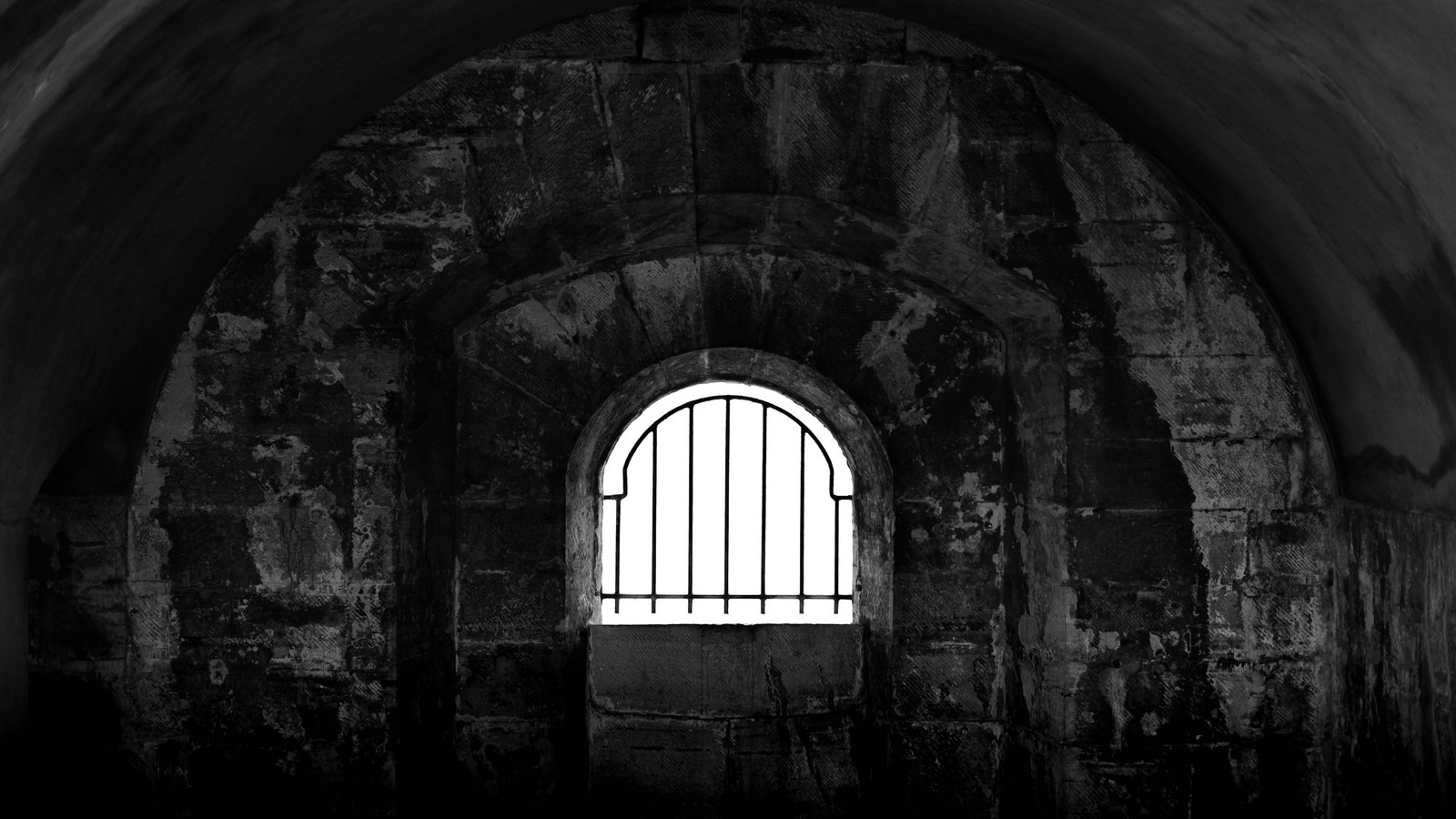
Photo: Mike Hindle / Unsplash (MRYZ2EAFJCk)
David McCloud of Granada Church preached this at Christchurch on August 30. I’m writing it down because I couldn’t shake it. — Jeff Reed
I have prayed one prayer more than any other in my life, and I’m not proud of it.
Get me out of here.
Out of the job. Out of the season. Out of the stretch of years that was supposed to look like something else by now. I’ve prayed it in parking lots. I’ve prayed it at two in the morning. I prayed a version of it about six months ago and meant every word.
So Colossians 4 landed on me sideways Sunday.
Paul is writing this from a cell
Not a metaphor. Verse 3, plainly: for which I am in chains.
David spent a minute on what that actually meant, and it’s worse than we picture. No food came unless somebody carried it in. No plumbing worth the name. Nobody in that system operated on the assumption that a prisoner’s life was worth anything. Prisoners were discarded people and the building was designed around that idea.
That’s the room. That’s where the letter comes from.
And then Paul asks the Colossians to pray for him… and tells them exactly what to ask for.
Not his release. That God would open a door for the message.
Look up
I want to sit in the gap between that prayer and mine, because the gap is embarrassing.
David said it from the platform better than I can: “I said my prayer request would be get me out of here. Paul is praying: I’m here, help me right now to use the circumstances that I’ve been given.”
Church, I have prayed for exits my whole adult life. I have almost never prayed to be useful in the room I was actually standing in.
And here’s what makes it hard, not easy. If God really is sovereign… if He knows everything and can do anything… then a conclusion follows that I don’t love: He didn’t get it wrong when He put me here. Not the place I’d have picked. The place I’m in.
That doesn’t make the hard thing good. Paul didn’t deserve that cell. He’d stolen nothing and hurt nobody and he says so. But it does mean the room isn’t an accident, and that you’re the one standing in it, with your history and your scars and the specific things you know how to do.
Look out
There’s an old story David told about a cathedral going up and three men doing identical work.
Someone asks the first what he’s doing. Breaking rocks for the building. Second man, same question, same rocks. Trying to make a living. Third man, same question, same rocks. I’m building a sanctuary where one day people are going to hear about God.
Three men. One job. Three completely different lives.
Nothing about the stone changed. What changed was what each one believed he was part of.
Now be careful with that, because it turns into a poster fast. The third guy isn’t more cheerful. He’s not pretending the rocks are light. He just knows what they’re for, and that knowledge survives a bad Tuesday in a way that enthusiasm doesn’t.
“Your circumstances are a privilege,” David said. And then, without softening it at all: “and yes, there will be some suffering.”
I appreciated that he didn’t stop after the first half. A lot of us would have.
The part I keep coming back to
David went somewhere I wasn’t expecting in the middle of this, and it’s the reason the whole thing has teeth.
Jesus.
Fully God, fully man, comes here on purpose, takes the form of a servant, and serves all the way to a cross. And in the garden, His circumstances aren’t what He wanted either. He’s sweating like drops of blood. He asks the Father, if it’s possible, let this cup pass.
And then He goes.
Paul isn’t inventing a coping strategy in that cell. He’s copying somebody. He’d been forgiven so completely that his whole life turned over, and he looked at the One who had given everything and figured he could serve the same way. Suffering included.
That’s the difference between this and a mindset hack. A mindset hack tells you to feel better about the rocks. This tells you Somebody already carried something heavier than yours and did it for you.
One more thing about your mouth
There’s a line in verse 6 I nearly skipped. Let your speech be full of grace, seasoned with salt.
Salt is a strange ask for a sentence. But Paul isn’t after bland and inoffensive. He’s after speech with flavor. Words people actually want to be near.
Be honest with me, Church. When we talk about our faith, are we more often correct, or more often appetizing? Because I can be very correct. I’ve won arguments and lost people in the same afternoon.
David prayed something Sunday I’ve been carrying around since: that we’d have a tasty impact on our world. That people would connect with the goodness of who God is and not with how difficult everything is.
That’s a real test, and it’s uncomfortable. Not was what I said true. That one’s easy, most of us clear it. But did it taste like anything good?
Look around
Then Paul does something easy to skip.
He starts listing people. Tychicus. Onesimus. Aristarchus. Mark. Justus. Epaphras. Luke. Demas. If you’ve ever tried to read the Bible in a year you know exactly what happens here… the eye speeds up, the names blur, it feels like a free day.
Don’t take the free day. The list is the point.
A man in chains, closing the most demanding letter he ever wrote, spends his last paragraphs naming his friends. He’s telling us something he has no interest in hiding. He isn’t doing this alone. He never was.
Most of us run the other direction. There’s a lone-wolf instinct in me that says the mature move is to handle it privately, that a real Christian should be able to carry this. Paul, from a prison cell, says the opposite out loud.
One name is worth stopping on. Aristarchus shows up five times in the New Testament and never says a single recorded word. He’s just there. Every time. And every time, it’s bad… the riot, the ship, the cell.
David called it the ministry of staying. His presence is a present.
So what do we do Monday
Church, we are two hundred people in Kendall, about fifty of them kids. This isn’t a strategy. It’s three small things, in the order Paul gives them.
Look up. Pray one prayer this week that isn’t a request for different circumstances. Ask God to use the ones you’ve got. Keep praying the other prayer too… just don’t let it be the only one you know how to pray.
Look out. Take the part of your week that feels most like drudgery. The commute. The shift. The room you clean again. What would a man building a sanctuary see there?
Look around. Two moves, and the second one is harder. Be an Aristarchus. Pick one person having a rough month and just show up, no advice. Then find yours. Tell one person the real answer to how are you, not the summary you’ve been handing out for months.
Paul’s chains didn’t fall off because he prayed well. He wrote the letter anyway, and we’re still reading it two thousand years later, out of a room nobody would have chosen.
So what’s the room you’re in right now… and what if God isn’t waiting to move you out of it before He uses you in it?
I’d genuinely like to know what you do with that this week. Find me Sunday.
Frequently asked questions
What is Colossians 4:2-18 about?
Why didn't Paul pray to be released from prison?
Who was Aristarchus in the Bible?
What does "let your speech be seasoned with salt" mean?
Does God put us in difficult circumstances on purpose?
Pastoral writing from the team at Christchurch Miami — a faith family on mission in Kendall, Miami.