



But What About Christian Nationalism? · Resources
Acts 17:1-7
Summary
On the country's 250th Fourth of July weekend, Kent Keller takes up the question of Christian nationalism from Acts 17. Love your country and give thanks for it, and know the difference between patriotism and worship - because the founders deliberately did not make this a Christian nation by charter, and the gospel has never advanced by force.
Sermon Outline
- 1
Citizens of Two Kingdoms ▶ 0:00
An Independence Day weekend welcome: give thanks to God for the blessings of living here, while our highest allegiance goes to the kingdom of God.
- 2
Reading: Acts 17:1-7 ▶ 6:45
Paul reasons in the synagogue at Thessalonica, a mob forms, and the charge against the Christians is that they say there is another king, Jesus.
- 3
"I Love My God. I Love My Country." ▶ 9:48
Kent lays out where he is coming from before he starts: God is perfect and unchangeable; a country is not. Great countries make great mistakes, and this one has.
- 4
Nationalism, Patriotism, and the World Cup ▶ 11:12
Nationalism without the adjective is simply loyalty and devotion to a nation - the flags and chants of World Cup fans, the Scots at the Marlins game. That is not the problem.
- 5
Wrapping the Cross Up in the Flag ▶ 12:19
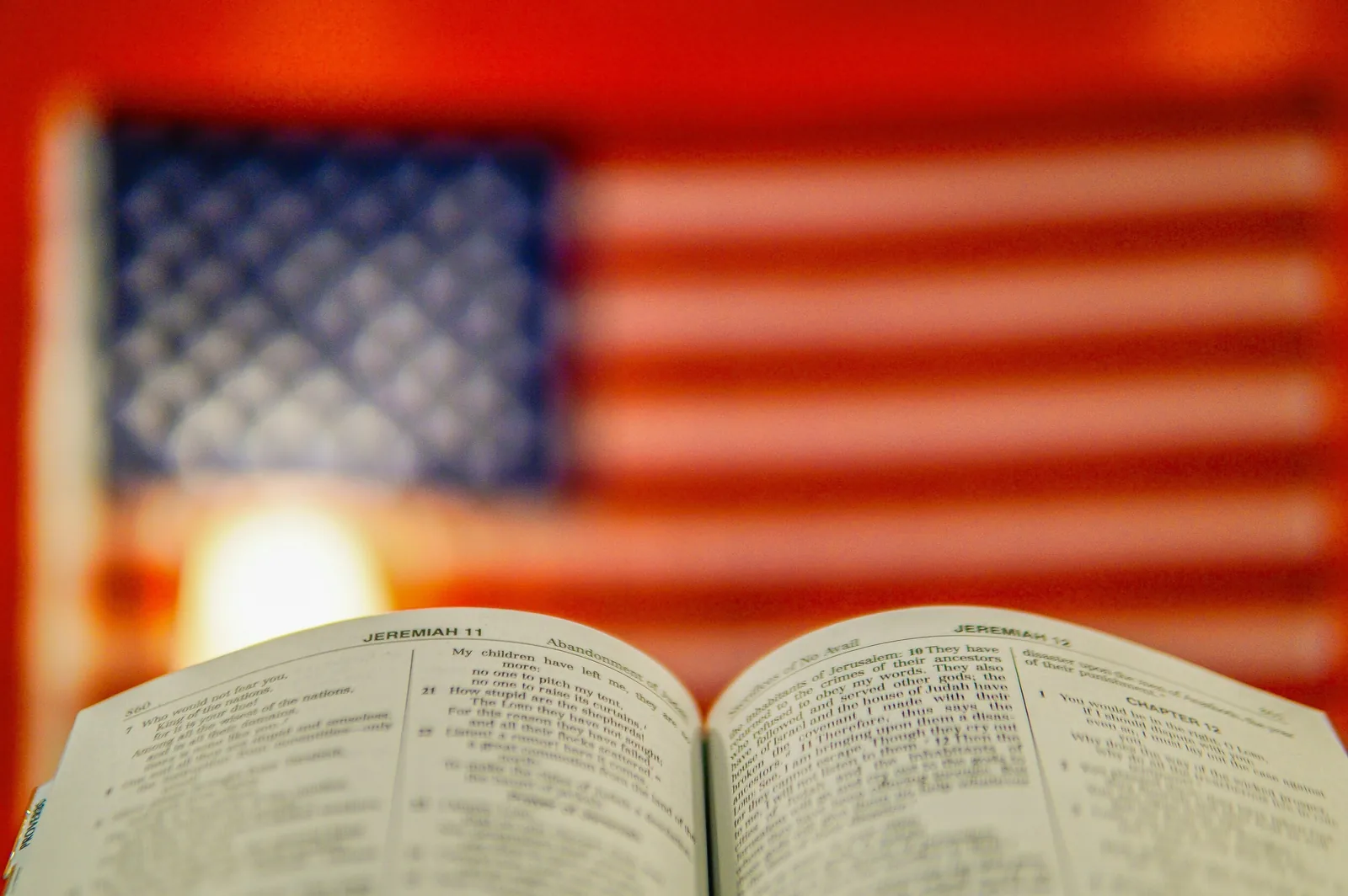
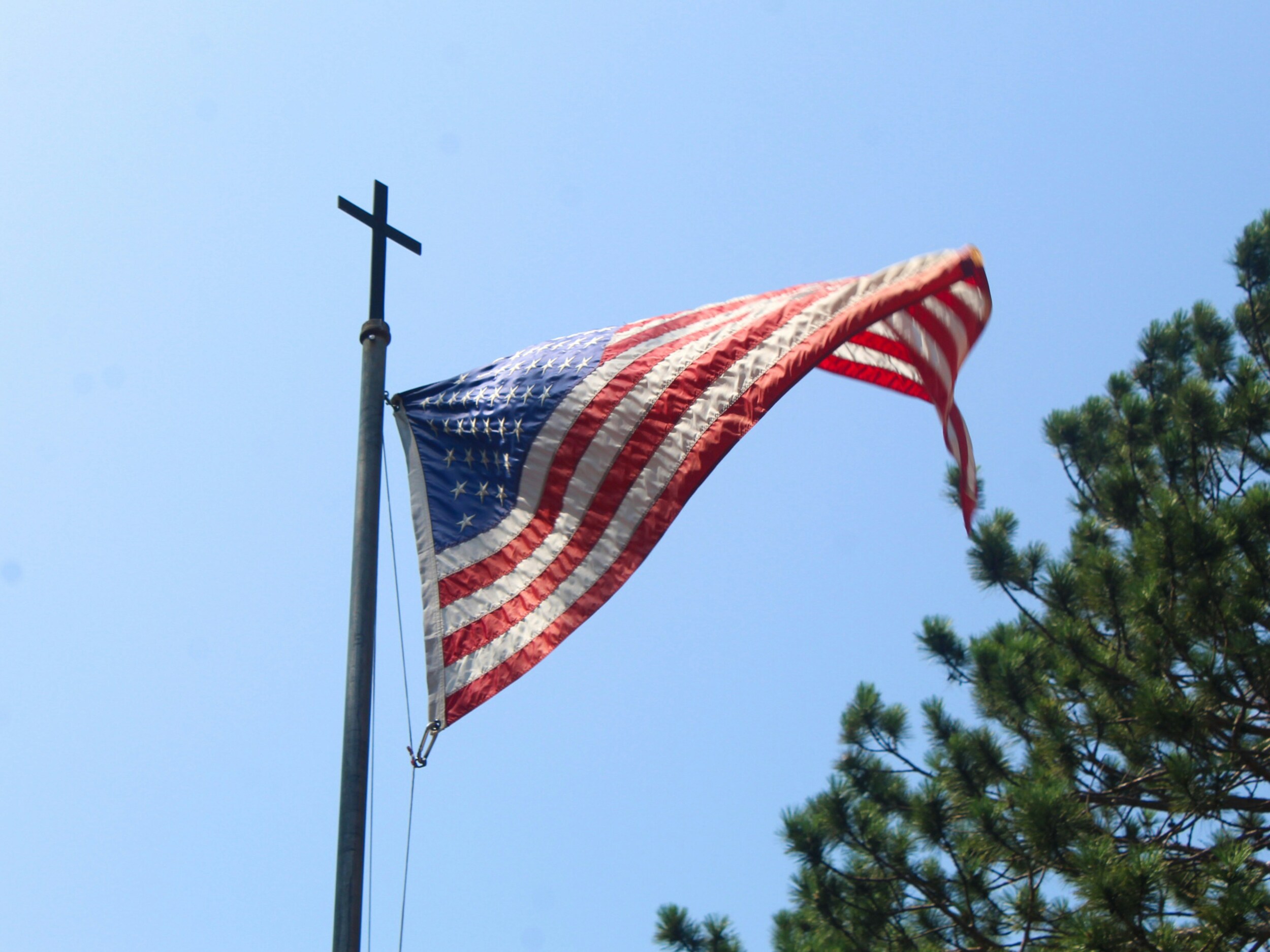
Christian nationalism is a different thing: conflating your Christianity with your patriotism until being a good Christian and a good American look like the same thing.
- 6
Seek the Welfare of the City ▶ 12:56
God places us in the nations where we find ourselves. Jeremiah told exiles to pray for Babylon - just don't put love of country on the same level as love of Christ.
- 7
The Mayflower Compact and the City on a Hill ▶ 14:10
The evidence for a Christian founding: the Compact written aboard ship, Winthrop's sermon on the Arabella, and settlers who read their own story as Israel leaving Egypt.
- 8
What the Founders and the Courts Said ▶ 17:47
Patrick Henry, John Jay, Justice Story, the Holy Trinity decision of 1892 - and the Declaration's four references to God, plus de Tocqueville on Americans joining Christianity and liberty in their minds.
- 9
"Not So Fast" ▶ 22:09
The other side of the ledger. John Adams wrote that the government is not founded on the Christian religion - in a treaty he was trying to get the Barbary states to sign.
- 10
Two Senses of "Christian Nation" ▶ 23:13
Settled and shaped by Christians and biblical principles? Indisputably. Established as a Christian nation officially, by charter? No - and the founders did that on purpose.
- 11
Would He Want It by Charter? No ▶ 26:25
Kent's own answer as a conservative Presbyterian pastor: he would not. The gospel works by moral and spiritual persuasion, never by coercion.
- 12
A Prayer for the Nation, and the Table ▶ 27:46
The elders come forward for a prayer of thanks and confession for the country, and then the church turns its attention to the one who set us free.
Key Points
- Love your country; do not worship it. God is infinite, eternal and unchangeable - a country is none of those things, and great countries make great mistakes.
- Nationalism by itself is roughly synonymous with patriotism. Christian nationalism is the move that conflates the two loves and wraps the cross up in the flag.
- God places us in the nation where we live. Jeremiah's word to exiles in pagan Babylon still stands: seek the welfare of the city, and pray for it.
- The evidence that this country was settled and shaped by Christians and biblical principles is overwhelming - the Mayflower Compact, Winthrop's city on a hill, the Ivy League founding charters, the Declaration's four references to God.
- But it was deliberately not founded as a Christian nation by charter. The founders had watched state churches in Europe and wanted no part of them.
- When church and state are aligned too closely, one of two things happens: the government runs the church and the church becomes feckless, or the church takes power and gets corrupted.
- You can force people to submit. You cannot force them to believe. The power of the gospel is persuasion, not coercion.
Quotable Moments
“I love my God. I love my country. I worship my God. I do not worship my country.” ▶ 9:54
“My country is not always right and holy and just. My country makes mistakes. People make mistakes. Great people make great mistakes. Countries are the same way. Great countries make great mistakes.” ▶ 10:38
“We have no other king but Jesus. We have no king but Jesus.” ▶ 26:09
“I don't want to force anybody into believing what I believe. You can't force people. You can force them to submit. You can't force them to believe.” ▶ 26:42
Take It With You
- Give thanks for the country God placed you in and pray for its good - without giving it the allegiance that belongs to Christ alone.
- Keep the two loves in their order: love your country, worship your God.
- A faith that has to be forced on anyone is not faith. People come to Christ freely, or they do not come at all.
The study guide above (summary, outline, key points, quotes, questions) was generated from the sermon transcript with AI and reviewed by our team. Spot something off? Let us know.

Subscribe to the podcast
Every Sunday sermon, in whatever app you already use.
Scripture quotations are from the ESV® Bible (The Holy Bible, English Standard Version®), © 2001 by Crossway, a publishing ministry of Good News Publishers. Used by permission. All rights reserved.