



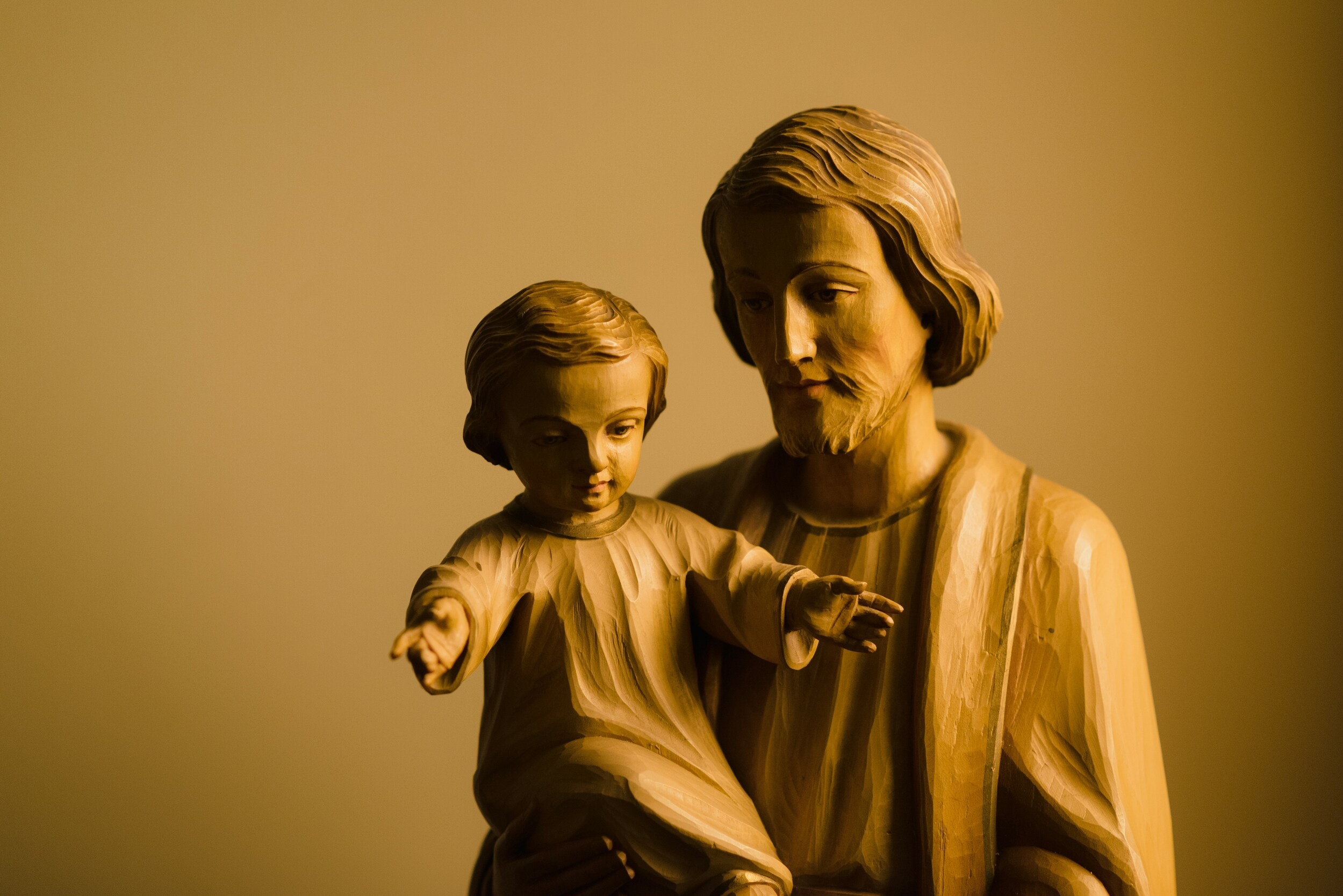
Joseph: The Forgotten Hero of Christmas · Resources
Matthew 1:18-25
Summary
Pastor James Drake preaches Matthew 1:18-25 on Joseph, the quiet, faithful man God chose to raise His Son. Though Joseph never preached a sermon or had a recorded word, his obedient faith through fear and confusion helped change the world and points us to the heart of Christmas: Jesus came to save His people from their sins.
Sermon Outline
- 1
The man we know so little about ▶ 5:28
Joseph gets only a cameo in the Christmas story, yet his quiet faithfulness, not his words, helped change the world.
- 2
A straightforward, tension-filled account ▶ 8:31
Matthew tells the birth plainly, and the genealogy is laced with sinners and saints, Jews and Gentiles, showing the Savior came for all people.
- 3
Joseph's impossible situation ▶ 10:53
Discovering Mary's pregnancy, the righteous but bewildered Joseph resolves to divorce her quietly before an angel intervenes in a dream.
- 4
Faith as the next step forward ▶ 12:40
Joseph, young, poor, and uncertain, models that faith is not having all the answers but having enough to take the next step.
- 5
Fear not: who you are and Who is with you ▶ 14:18
The angel reminds Joseph he is a son of David and that God is working out His plan and purposes through him.
- 6
The name and purpose of Jesus ▶ 19:10
Jesus, the second Adam, enters a sinful world to fulfill the prophets, and His name means the Lord saves us from our sins.
- 7
The loudest sermon is a faithful life ▶ 24:52
Joseph's quiet obedience, like James's own father's, leaves a lasting legacy and calls every faithful, unnoticed believer to keep shining.
Key Points
- Joseph preached no sermon and left no recorded words, yet his quiet faithfulness helped change the world.
- God uses broken people and broken stories, even a lineage of sinners, to accomplish His saving purposes.
- Faith is not having all the answers but having enough to take the next step of obedience.
- When life beats us down, God reminds us who we are and that He is with us and for us.
- Jesus is the second Adam who entered a sinful world to save His people from their sins, the heart of Christmas.
- The loudest sermon we will ever preach is how we live our lives in quiet, faithful obedience.
Quotable Moments
“His quiet faithfulness helped change the world. And Joseph, as he became less, the son he was chosen to raise became more.” ▶ 6:41
“And that's what faith looks like sometimes. It's not having all the answers, but it's having enough to take that next step forward.” ▶ 14:03
“Sometimes God has to remind us who we are because life will just beat us down.” ▶ 16:04
“The loudest sermon any of us will ever preach is how we live our life.” ▶ 24:52
Discussion Questions
- 1
Matthew tells us almost nothing about Joseph's words. What does Joseph's quiet faithfulness teach us about how God measures a life?
- 2
Joseph was a "just man" facing an impossible situation. How did he balance righteousness and mercy as he considered what to do (vv. 19-20)?
- 3
The angel says "fear not" and calls Joseph "son of David." Why does God so often remind His people who they are before calling them forward?
- 4
James says faith is having enough to take the next step. Where is God calling you to take a next step of obedience even without all the answers?
- 5
Jesus' name means "the Lord saves," and He came to save us from our sins. How does keeping that purpose central reshape the way you celebrate Christmas?
Take It With You
- Take the one next step of obedience God is putting in front of you, even when the road ahead is unclear.
- When fear or confusion presses in, preach the gospel to yourself: God is with you, for you, and working out His purposes.
- Invest in quiet, faithful habits, like Joseph and James's father, that will leave a lasting legacy of faith for those who come after you.
The study guide above (summary, outline, key points, quotes, questions) was generated from the sermon transcript with AI and reviewed by our team. Spot something off? Let us know.


Subscribe to the podcast
Every Sunday sermon, in whatever app you already use.
Scripture quotations are from the ESV® Bible (The Holy Bible, English Standard Version®), © 2001 by Crossway, a publishing ministry of Good News Publishers. Used by permission. All rights reserved.